

Simple Steps to Download & Install the Canon D1650 Driver

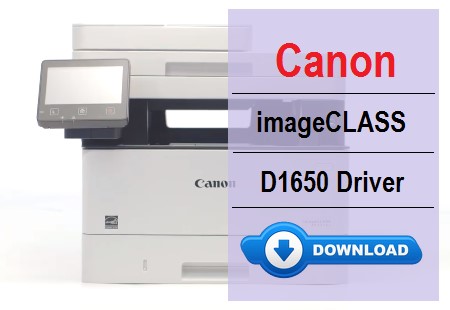
Canon imageCLASS D1650 Driver Download
When it comes to multifunction printers, the Canon imageCLASS D1650 stands out as a reliable workhorse for both home offices and small businesses. But let’s face it—even the best printers can turn into paperweight nightmares without the right drivers. That’s where the Canon imageCLASS D1650 driver comes into play. Think of it as the translator between your computer and your printer, ensuring they speak the same language. Without it, you’re left with a glorified doorstop.
So, why is downloading, installing, and updating the Canon D1650 driver so crucial? Well, it’s simple: drivers are the backbone of your printer’s functionality. Whether you’re printing a client report, scanning a family photo, or setting up a wireless network, the right driver ensures everything runs smoothly. And trust me, nothing kills productivity faster than a printer that refuses to cooperate.
Now, let me introduce myself. I’m Tobby Stalin, your go-to printing expert with years of experience wrestling with stubborn printers and deciphering cryptic error messages. I’ve seen it all—from drivers that mysteriously vanish to firmware updates that go rogue. Through trial, error, and a fair share of printer-induced headaches, I’ve mastered the art of keeping devices like the Canon imageCLASS D1650 running like a dream.
In this guide, I’ll walk you through everything you need to know about the Canon imageCLASS D1650 driver, from downloading and installing it to troubleshooting common issues. Whether you’re a beginner setting up your first printer or a pro looking to optimize performance, this guide has you covered. And don’t worry—I’ll sprinkle in some personal anecdotes and light humor to keep things entertaining. After all, who doesn’t love a good story about a printer that decided to print 50 copies of a single page at 2 a.m.?
So, grab a cup of coffee, and let’s dive into the world of Canon D1650 driver installation, updates, and troubleshooting. By the end of this guide, you’ll be equipped with the knowledge to tackle any printer challenge that comes your way.
Looking for drivers for another Canon printer? Check out our Canon D530 driver download and installation guide for a quick and hassle-free setup!
How to Download Canon imageCLASS D1650 Driver
Downloading the right driver for your Canon imageCLASS D1650 is the first step to unlocking its full potential. Whether you’re setting up a new printer or troubleshooting an existing one, getting the correct driver is crucial. Let’s break it down step by step, so you can avoid the common pitfalls and get your printer up and running in no time.
1. Official Sources: Canon’s Website
The safest and most reliable way to download the Canon imageCLASS D1650 driver is directly from Canon’s official website. Here’s how:
- Visit Canon’s Support Page.
- Enter “imageCLASS D1650” in the search bar.
- Select your operating system (Windows, Mac, or Linux).
- Choose the driver version you need—Canon D1650 PCL6 driver, Canon D1650 UFR II driver, or Canon D1650 scanner driver.
- Click the Canon imageCLASS D1650 driver download link and save the file to your computer.
Pro Tip: Always double-check that you’re downloading the driver that matches your operating system and printer model. Trust me, installing the wrong driver is like trying to fit a square peg in a round hole—it just won’t work.
2. Alternative Sources: Trusted Third-Party Websites
While Canon’s official site is the gold standard, there are times when you might need to turn to third-party websites. Sites like DriverGuide or Softonic can be helpful, but proceed with caution. Here’s my advice:
- Stick to well-known, reputable sites.
- Avoid downloading drivers from pop-up ads or suspicious links.
- Always scan downloaded files with antivirus software before installation.
Remember, downloading drivers from untrusted sources can lead to malware or incompatible software. When in doubt, stick to the official Canon D1650 driver software.
3. Understanding Driver Versions
Not all drivers are created equal. The Canon imageCLASS D1650 offers different driver types, each designed for specific tasks:
- Canon D1650 PCL6 Driver: Ideal for high-quality text and graphics printing. Perfect for office environments.
- Canon D1650 UFR II Driver: Optimized for faster printing speeds, especially for large documents.
- Canon D1650 Scanner Driver: Essential for scanning documents and images.
Knowing which driver to download can save you time and frustration. For most users, the UFR II driver strikes a great balance between speed and quality.
4. Direct Download Links
To make your life easier, here are direct links to the Canon imageCLASS D1650 driver download page for different operating systems:
| Name | Operating System | Download |
|---|---|---|
| imageCLASS D1650 drivers | Windows, Mac, Linux |
By following these steps, you’ll have the right Canon imageCLASS D1650 driver downloaded and ready for installation. And if you ever feel stuck, just remember: even the most tech-savvy among us have spent hours Googling “Why won’t my printer work?” You’re not alone!
Enhance your Canon imageCLASS D1650 printing experience with Canon PosterArtist—download it now for easy poster creation and professional-quality designs!
Canon imageCLASS D1650 Driver Installation Guide
Now that you’ve downloaded the Canon imageCLASS D1650 driver, it’s time to install it. Whether you’re a Windows enthusiast, a Mac aficionado, or a Linux guru, I’ve got you covered. Let’s walk through the installation process step by step, so you can avoid the dreaded “driver not found” error and get your printer humming along smoothly.
1. System Requirements
Before diving into the installation, make sure your system meets the requirements for the Canon D1650 driver:
- Windows: Compatible with Windows 10, Windows 11, and earlier versions like Windows 8.1 and 7.
- Mac: Supports macOS Catalina (10.15) and later versions.
- Linux: Check Canon’s website for specific distributions and kernel versions supported.
Pro Tip: If you’re using Canon D1650 driver for Windows 10 or Windows 11, ensure your system is up to date with the latest updates. Outdated systems can lead to compatibility issues.
2. Step-by-Step Installation
For Windows Users:
- Locate the downloaded Canon D1650 driver software file (usually in your “Downloads” folder).
- Double-click the file to launch the installer.
- Follow the on-screen prompts, accepting the license agreement and selecting your preferred settings.
- Choose the connection type: USB or network. For now, select USB if you’re connecting directly.
- Connect your printer to your computer using a USB cable when prompted.
- Complete the installation and restart your computer if necessary.
For Mac Users:
- Open the downloaded Canon D1650 driver for Mac file.
- Drag the Canon printer icon to the Applications folder.
- Open the Applications folder and launch the Canon printer setup tool.
- Follow the instructions to connect your printer via USB or network.
- Once connected, your Mac will automatically detect the printer.
For Linux Users:
- Download the appropriate Canon D1650 driver for Linux from Canon’s website.
- Open the terminal and navigate to the downloaded file’s location.
- Use the command line to install the driver (specific commands vary by distribution).
- Follow the on-screen instructions to complete the setup.
3. Wireless Setup
If you prefer the convenience of wireless printing, here’s how to set up the Canon D1650 wireless setup:
- Ensure your printer and router are powered on.
- Press the “Wi-Fi” button on your printer until the light flashes.
- On your computer, open the Canon D1650 driver installation guide and select “Wireless Connection.”
- Follow the prompts to connect your printer to your Wi-Fi network.
- Once connected, test the setup by printing a test page.
Pro Tip: Keep your printer and router close during setup to avoid signal issues. And yes, I’ve learned this the hard way—chasing a weak Wi-Fi signal is no fun.
4. USB Setup
For those who prefer a wired connection, the Canon D1650 USB driver setup is straightforward:
- Connect your printer to your computer using a USB cable.
- Turn on the printer and wait for your computer to detect it.
- Open the Canon D1650 driver software and follow the installation prompts.
- Select “USB Connection” when prompted and complete the setup.
Pro Tip: Always use a high-quality USB cable. Cheap cables can cause connection issues, and trust me, troubleshooting a faulty cable is not how you want to spend your afternoon.
By following this Canon D1650 driver installation guide, you’ll have your printer up and running in no time. And if you hit a snag, don’t worry—I’ve got plenty of troubleshooting tips coming up in the next section.
Ensure a stable wireless setup for your Canon imageCLASS D1650—download the Canon Wi-Fi Connection Assistant for easy network configuration and troubleshooting.
How to Update Canon imageCLASS D1650 Driver
Let’s talk about something many of us tend to ignore until it’s too late: updating your Canon imageCLASS D1650 driver. I get it—updates can feel like a chore. But trust me, keeping your driver and firmware up to date is like giving your printer a regular health check. It ensures better performance, fixes bugs, and even adds new features. Plus, it saves you from those frustrating moments when your printer suddenly decides to stop working.
1. Importance of Updates
Why should you bother updating the Canon D1650 driver? Here’s why:
- Improved Performance: Updates often optimize printing speed and quality.
- Bug Fixes: Say goodbye to random errors and glitches.
- Security Patches: Protect your printer from vulnerabilities.
- New Features: Sometimes, updates bring exciting new functionalities.
- Compatibility: Ensure your Canon D1650 driver compatibility with the latest operating systems like Windows 11 or macOS Ventura.
Think of it this way: an outdated driver is like using a flip phone in the age of smartphones. Sure, it works, but you’re missing out on so much more.
2. Manual Update via Canon’s Website
If you prefer doing things yourself, here’s how to manually update Canon D1650 driver:
- Visit Canon’s Support Page.
- Search for “imageCLASS D1650” and select your operating system.
- Check if a newer driver version is available.
- Download the latest Canon D1650 driver software.
- Run the installer and follow the on-screen instructions to complete the update.
Pro Tip: Before updating, uninstall the old driver to avoid conflicts. You can do this through your computer’s Device Manager (Windows) or System Preferences (Mac).
3. Automatic Update Using the Canon D1650 Driver Update Tool
For those who want a hassle-free experience, Canon offers a Canon D1650 driver update tool. Here’s how it works:
- Download and install the update tool from Canon’s website.
- Launch the tool and let it scan your system for outdated drivers.
- If a newer version is found, the tool will prompt you to download and install it.
- Sit back and relax while the tool handles the rest.
This method is perfect for beginners or anyone who doesn’t want to deal with the technical nitty-gritty.
4. Firmware Updates
While you’re at it, don’t forget to update your printer’s firmware. Firmware is the software that runs your printer’s hardware, and updating it can significantly enhance functionality. Here’s how to perform a Canon D1650 firmware update:
- Visit Canon’s website and download the latest firmware for your printer.
- Save the file to a USB drive.
- Insert the USB drive into your printer’s USB port.
- Navigate to the printer’s settings menu and select “Firmware Update.”
- Follow the on-screen instructions to complete the update.
Pro Tip: Firmware updates can take a few minutes, so be patient. And whatever you do, don’t turn off the printer during the process—unless you enjoy dealing with bricked devices.
By keeping your Canon imageCLASS D1650 driver and firmware updated, you’ll ensure your printer runs smoothly and stays compatible with the latest technology. Plus, you’ll avoid those awkward moments when your printer decides to act up right before a big presentation.
Keep your Canon imageCLASS D1650 running smoothly—learn how to update printer drivers to fix issues, enhance performance, and ensure seamless printing.
Troubleshooting Canon imageCLASS D1650 Driver Issues
Let’s be honest: even the best printers can throw a tantrum now and then. If your Canon imageCLASS D1650 is acting up, don’t panic. Most issues are fixable with a little troubleshooting. In this section, I’ll walk you through common problems like Canon D1650 driver not working or Canon D1650 driver error, and provide step-by-step solutions to get you back on track.
1. Common Problems
Here are some of the most frequent issues users face with the Canon D1650 driver:
- Driver Not Working: The printer doesn’t respond, or your computer can’t detect it.
- Driver Error: You see error messages like “Driver unavailable” or “Printer not found.”
- Network Setup Issues: The printer won’t connect to your Wi-Fi network.
- Print Quality Problems: Blurry text, streaks, or incomplete prints.
- Compatibility Issues: The driver doesn’t work with your operating system.
If any of these sound familiar, you’re in the right place. Let’s dive into the solutions.
2. Step-by-Step Troubleshooting
Driver Not Working or Driver Error
- Check Connections: Ensure your printer is properly connected to your computer via USB or Wi-Fi.
- Restart Everything: Turn off your printer and computer, then restart them. It’s amazing how often this works.
- Update the Driver: If your Canon D1650 driver not working, it might be outdated. Follow the steps in Section IV to update it.
- Check for Conflicts: Open your computer’s Device Manager (Windows) or System Preferences (Mac) and ensure there are no conflicts or errors listed under “Printers.”
Print Quality Issues
- Run a Cleaning Cycle: Use your printer’s maintenance menu to clean the printhead.
- Check Ink Levels: Low ink can cause poor print quality. Replace cartridges if necessary.
- Align the Printhead: Most printers have an alignment tool in their settings.
3. Uninstall and Reinstall the Driver
If the issue persists, it’s time to uninstall and reinstall the Canon D1650 driver. Here’s how:
For Windows Users:
- Open the Control Panel and go to “Devices and Printers.”
- Right-click your Canon D1650 and select “Remove Device.”
- Download the latest Canon D1650 driver software from Canon’s website.
- Install the driver following the steps in Section III.
For Mac Users:
- Open “System Preferences” and go to “Printers & Scanners.”
- Select your Canon D1650 and click the minus (-) button to remove it.
- Download and reinstall the driver from Canon’s website.
Pro Tip: After uninstalling, restart your computer before reinstalling the driver. This ensures a clean slate for the new installation.
4. Fixing Network Setup Issues
If your Canon D1650 network setup is giving you trouble, try these steps:
- Check Wi-Fi Signal: Ensure your printer is within range of your router.
- Reconnect to Wi-Fi: Use the printer’s settings menu to reconnect to your network.
- Update Firmware: Sometimes, a Canon D1650 firmware update can resolve connectivity issues.
- Restart Your Router: Yes, even routers need a break sometimes.
Pro Tip: If all else fails, try connecting via USB temporarily. It’s not as convenient, but it’ll keep you printing while you troubleshoot the wireless setup.
Troubleshooting printer issues can feel like solving a mystery, but with the right approach, you’ll crack the case every time. Whether it’s a Canon D1650 driver error or a network hiccup, these steps should help you get back to printing smoothly. And remember, if you ever feel stuck, Canon’s support team is just a call or email away.
If your Canon imageCLASS D1650 shows as offline, follow our easy fix guide to troubleshoot and restore your printer’s connection quickly.
Advanced Setup and Compatibility
So, you’ve mastered the basics of downloading, installing, and troubleshooting the Canon imageCLASS D1650 driver. Now, let’s take things up a notch. Whether you’re upgrading to Windows 11, exploring Linux, or fine-tuning your network setup, this section will guide you through the more advanced aspects of getting the most out of your printer.
1. Windows 11 Compatibility
With Windows 11 becoming the new standard, it’s essential to ensure your Canon D1650 driver works seamlessly on this platform. Here’s what you need to know:
- Check for Updates: Canon regularly releases updates to ensure Canon D1650 driver for Windows 11 compatibility. Visit Canon’s website to download the latest version.
- Installation Steps: The installation process is similar to Windows 10. Follow the steps in Section III, but ensure you select the Windows 11-specific driver if available.
- Troubleshooting: If you encounter issues, try running the installer in compatibility mode (right-click the installer > Properties > Compatibility > Run as Windows 10).
Pro Tip: Windows 11 has stricter security settings. If the driver isn’t installing, temporarily disable your antivirus or firewall to see if that resolves the issue.
2. Linux Support
Linux users, rejoice! Canon provides Canon D1650 driver for Linux, though the process can be a bit more hands-on. Here’s how to get started:
- Download the Driver: Visit Canon’s website and download the Linux version of the Canon D1650 driver software.
- Install Dependencies: Ensure you have the necessary packages installed (e.g.,
cupsandlibtiff). Use your distribution’s package manager to install them. - Install the Driver: Open the terminal, navigate to the downloaded file, and follow the installation instructions provided by Canon.
- Configure CUPS: Use the Common Unix Printing System (CUPS) to add your printer and test the setup.
Pro Tip: If you’re new to Linux, check out community forums or Canon’s support documentation for distribution-specific guides.
3. Network Configuration
For those looking to optimize their Canon D1650 network setup, here are some advanced tips:
- Static IP Address: Assign a static IP address to your printer to avoid connection drops. You can do this through your router’s settings or the printer’s network menu.
- Quality of Service (QoS): Prioritize your printer’s traffic on your network to ensure smooth printing, especially in busy environments.
- Firmware Updates: Regularly update your printer’s firmware to improve network stability and performance.
Pro Tip: If you’re using a dual-band router, connect your printer to the 2.4 GHz band for better range and compatibility.
4. Driver Compatibility
Ensuring Canon D1650 driver compatibility with your operating system and software is crucial for seamless operation. Here’s how to stay ahead:
- Check System Requirements: Before installing, verify that the driver supports your OS version.
- Use Universal Drivers: If you’re switching between operating systems, consider using Canon’s universal drivers (e.g., PCL6 or UFR II) for broader compatibility.
- Test with Applications: Ensure the driver works well with your preferred software, whether it’s Microsoft Office, Adobe Acrobat, or design tools like Photoshop.
Pro Tip: If you’re using virtualization software (e.g., VMware or Parallels), ensure the driver is compatible with the virtualized OS.
Advanced setup and compatibility might sound intimidating, but with the right guidance, it’s entirely manageable. Whether you’re navigating Canon D1650 driver for Windows 11, exploring Linux, or optimizing your network, these tips will help you get the most out of your printer. And remember, if you ever feel stuck, Canon’s support team and online communities are there to help.
If your Canon imageCLASS D1650 is not printing, check out our troubleshooting guide for common causes and easy fixes to restore smooth printing.
Conclusion
We’ve covered a lot of ground in this guide, from downloading and installing the Canon imageCLASS D1650 driver to troubleshooting common issues and exploring advanced setups. Let’s take a moment to recap why all of this matters and how it can make your printing experience smoother and more efficient.
Recap
The Canon imageCLASS D1650 driver is the unsung hero of your printing setup. It ensures your printer communicates effectively with your computer, enabling seamless printing, scanning, and network connectivity. Whether you’re using Windows, Mac, or Linux, keeping your driver up to date is essential for optimal performance. From resolving Canon D1650 driver not working errors to setting up wireless printing, proper driver management saves you time, frustration, and even money.
Final Thoughts
As someone who’s spent countless hours troubleshooting printers, I can confidently say that a little effort goes a long way. Regularly updating your Canon D1650 driver, staying on top of firmware updates, and understanding your printer’s compatibility with different operating systems can prevent most issues before they arise. Think of it as preventive maintenance for your printer—small actions that lead to big rewards.
And let’s not forget the importance of resources like the Canon D1650 driver manual and Canon’s official support page. These tools are invaluable for both beginners and professionals, offering step-by-step guidance and solutions to even the trickiest problems.
Ready to take control of your printing experience? Start by downloading the latest Canon imageCLASS D1650 driver from the official Canon D1650 driver download link. If you run into any issues, revisit this guide or explore Canon’s extensive support resources.
Remember, a well-maintained printer is a happy printer. And a happy printer means fewer headaches for you. So, go ahead—download that driver, update your firmware, and enjoy the peace of mind that comes with a smoothly running Canon imageCLASS D1650.
If you encounter issues after installing the Canon imageCLASS D1650 driver, check out our Canon printer error codes guide for quick fixes to every problem.
Frequently Asked Questions (FAQ)
Let’s tackle some of the most common questions about the Canon imageCLASS D1650 driver. Whether you’re dealing with Canon D1650 driver problems or just need a quick refresher, this FAQ section has you covered.
Where can I download the Canon imageCLASS D1650 driver?
You can download the Canon D1650 driver from Canon’s official website. Visit the Canon Support Page, search for “imageCLASS D1650,” and select the driver that matches your operating system. For direct access, use the Canon D1650 driver download link provided in the guide.
How do I install the Canon D1650 driver on Windows 10?
Installing the Canon D1650 driver on Windows 10 is straightforward:
- Download the driver from Canon’s website.
- Run the installer and follow the on-screen prompts.
- Connect your printer via USB or Wi-Fi when prompted.
- Complete the installation and restart your computer if necessary.
For a detailed guide, check out Section III of this article.
Why is my Canon D1650 driver not working?
If your Canon D1650 driver not working, it could be due to:
- Outdated or corrupted driver files.
- Incorrect installation or compatibility issues.
- Connection problems (USB or Wi-Fi).
- Conflicts with other software or drivers.
Try updating the driver, reinstalling it, or troubleshooting the connection. Refer to Section V for step-by-step solutions.
How do I update the Canon D1650 driver?
To update Canon D1650 driver, visit Canon’s website and download the latest version. Alternatively, use the Canon D1650 driver update tool for automatic updates. For detailed instructions, see Section IV.
Is the Canon D1650 driver compatible with Windows 11?
Yes, the Canon D1650 driver for Windows 11 is available. Canon regularly updates its drivers to ensure compatibility with the latest operating systems. Download the Windows 11-specific driver from Canon’s website and follow the installation steps in Section III.
How do I set up the Canon D1650 for wireless printing?
To set up Canon D1650 wireless printing:
- Press the Wi-Fi button on your printer until the light flashes.
- Open the Canon D1650 driver setup on your computer and select “Wireless Connection.”
- Follow the prompts to connect your printer to your Wi-Fi network.
- Test the setup by printing a test page.
For more details, refer to Section III.
What should I do if I encounter a Canon D1650 driver error?
If you encounter a Canon D1650 driver error, try these steps:
- Restart your printer and computer.
- Update the driver to the latest version.
- Uninstall and reinstall the driver (see Section V).
- Check for firmware updates.
If the issue persists, consult the Canon D1650 driver manual or contact Canon support.
Where can I find the Canon D1650 driver manual?
The Canon D1650 driver manual is available on Canon’s official website. Visit the Canon Support Page, search for “imageCLASS D1650,” and look for the “Manuals” section. The manual provides detailed instructions for setup, troubleshooting, and advanced configurations.
Final Note
If you have more questions or need further assistance, don’t hesitate to reach out to Canon D1650 driver support. Their team is always ready to help you resolve any issues and get the most out of your printer.
Canon imageCLASS D1650 Driver


The Canon imageCLASS D1650 Driver is a software program that enables communication between your computer and the Canon imageCLASS D1650 printer. It allows your computer to send print commands to the printer and facilitates the translation of data into a format that the printer can understand.
Harga Mata Uang: USD
Sistem operasi: Windows
Kategori Aplikasi: Drivers
4.8