

Envelope Out of Printer Paper – Simple Steps to Fold It Right

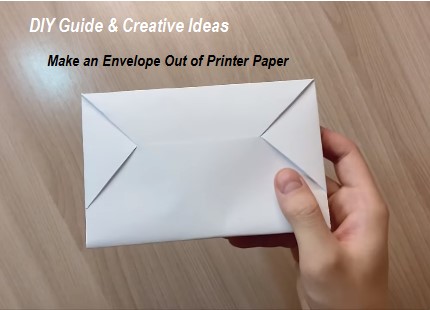
How to Make an Envelope Out of Printer Paper
When it comes to crafting, there’s something incredibly satisfying about taking a simple piece of printer paper and transforming it into something functional and beautiful. One of the most delightful and useful creations you can make is an envelope. Whether you’re looking to save money, add a personal touch to your correspondence, or simply indulge in a bit of creative fun, learning how to make an envelope out of printer paper is a skill worth mastering.
As someone who has spent years in the world of printing and paper crafting, I, Tobby Stalin, can confidently say that making your own envelopes is not just practical but also immensely rewarding. It’s a way to personalize your messages, ensure you always have an envelope on hand, and impress your friends and family with your creative prowess. Plus, there’s no need to rush to the store every time you run out of envelopes. All you need is a sheet of printer paper and a few minutes of your time.
In this comprehensive homemade envelope tutorial, I’ll guide you through the process step by step. We’ll explore different techniques and styles, ensuring you have a variety of options to choose from. By the end of this guide, you’ll be able to create envelopes from printer paper with ease, whether you’re a seasoned crafter or a complete beginner. So, let’s dive in and discover the art of making your very own diy paper envelope. Trust me, once you start, you won’t want to stop!
For precise, professional results when preparing your envelope, learn how to cut paper straight in our step-by-step guide, ensuring perfectly trimmed sheets every time.
Materials Needed for Making a Paper Envelope
Before we dive into the step-by-step process of making an envelope, let’s gather the necessary materials. Here’s what you’ll need:
- Printer Paper: The basic material for our project. While any standard printer paper will do, choosing a high-quality paper can make a difference. It’s considered one of the best paper for envelopes due to its versatility and ease of use.
- Ruler: Precision is key when you’re trying to make an envelope from paper. A ruler helps ensure your folds are straight and even.
- Pencil: For marking measurements and guiding your folds.
- Scissors: To cut the paper to the desired size.
- Decorative Elements (Optional): Stickers, stamps, washi tape, or markers to personalize your envelope and add a touch of creativity.
Optional: Sustainable Alternatives
If you’re environmentally conscious, consider using recycled paper. It’s a great way to be sustainable while engaging in crafting. Recycled paper can be just as effective, if not more charming, due to its unique textures and patterns. This aligns well with our goal of making easy paper envelopes that are also eco-friendly.
The materials listed above are quite basic, and you likely have most of them at home. Once you’ve gathered these, you’re ready to proceed to the next step, which is all about the folding techniques involved in paper envelope folding. Having these materials at hand will ensure that the process is smooth and enjoyable. Let’s move on and start creating!
To avoid paper size issues when printing envelopes, check out our guide on standard printer paper sizes to ensure a perfect fit for your prints.
Step-by-Step Guide to Folding an Envelope
Creating a paper envelope is a simple yet rewarding activity. Follow these steps to learn how to fold an envelope out of printer paper:
Step 1: Measure and Cut the Paper
First, you need to measure and cut the paper to the right size. If you’re using standard A4 paper, you can make a straightforward simple paper envelope by trimming it slightly.
- Place the A4 paper horizontally.
- Fold the paper in half to make a crease, then unfold it.
- Cut off about 1/3 of the length of the paper to make the envelope size more manageable.
Step 2: Fold the Paper
Next, let’s get to the fun part – folding! This is where you start to see the transformation happen as you fold the envelope from printer paper.
- Fold the bottom edge upwards to about one-third of the way up the paper.
- Fold the top edge downwards to overlap slightly with the bottom fold.
- Fold the sides inward to create the side flaps. These folds should be about 1-2 cm wide, depending on the size of your envelope.
- Tuck the side flaps inside the bottom flap to form the envelope’s body.
Step 3: Secure the Folds
Finally, you’ll need to secure the folds so that your envelope stays together. This step is crucial in any diy envelope step by step guide.
- Crease the folds firmly with your fingers or a ruler to ensure they stay in place.
- If you prefer, you can add a small amount of glue to secure the flaps, but for a simple paper envelope or if you want to make an envelope with A4 paper without glue, you can use stickers or washi tape.
- Press all edges firmly to make sure your envelope holds its shape.
And there you have it! You’ve successfully learned how to fold paper into an envelope. This easy method ensures you always have a custom envelope ready for any occasion.
For accurate envelope printing, understanding paper size conversion is key—check out our guide on online paper size conversion to ensure your prints fit perfectly every time.
Sealing and Decorating the Envelope
Now that you’ve folded your envelope, it’s time to seal it and add some personal touches to make it truly unique. The good news is that you can make an envelope without glue and still ensure it stays securely closed.
Methods to Seal the Envelope Without Glue
There are a few creative ways to seal a paper envelope without using glue. Here are my favorites:
- Tucking Flaps: One of the easiest methods is to tuck the top flap of the envelope into the body. This method is straightforward and requires no additional materials. Simply fold the top flap inside the envelope and press down firmly to keep it in place. This works well for a diy envelope no glue project.
-
Using Stickers or Washi Tape: Another fun and decorative way to close your envelope is by using stickers or washi tape. Place a sticker over the flap to secure it or use a piece of colorful washi tape. This not only seals the envelope but also adds a touch of personality. This method is perfect if you’re looking to make an envelope without tape.
Ideas for Decorating the Envelope
Personalizing your envelope can be a lot of fun and adds a special touch to your correspondence. Here are some ideas to get you started:
- Hand-Drawn Designs: Grab some markers or colored pencils and let your creativity flow. Draw patterns, doodles, or even a small illustration that complements the content of the envelope.
-
Stickers and Stamps: Decorate your envelope with stickers or stamps that match the occasion. Whether it’s flowers, stars, or custom stamps, these little additions can make your envelope stand out.
-
Washi Tape Accents: Use washi tape to create borders or designs on your envelope. This tape comes in various colors and patterns, making it easy to match your envelope’s theme.
Remember, the key to a beautiful envelope is to enjoy the process. There’s no right or wrong way to decorate your envelope – it’s all about expressing yourself and having fun. With these methods, you can easily make a paper envelope without cutting or gluing, while still ensuring it looks fantastic and stays securely closed.
For a seamless printing experience, check out our guide on how to print business cards at home, where you’ll learn tips to ensure your prints come out perfectly every time.
Troubleshooting Common Issues
Even with the best intentions and careful craftsmanship, sometimes things don’t go as planned. Here are some common issues you might encounter while making envelopes and how to resolve them:
Envelope Won’t Seal
One frustrating problem you might face is when your envelope won’t seal properly. This can be especially annoying if you’re trying to make a diy custom size envelope without glue.
Solutions:
- Tucking Technique: If your envelope flap won’t stay tucked in, try folding a small triangle at the tip of the flap to create a more secure tuck.
- Stickers or Washi Tape: As mentioned earlier, using stickers or washi tape can help ensure your envelope stays closed. This method adds a decorative touch as well.
- Firm Creases: Make sure you press down firmly on all the creases to help the paper hold its shape better. A bone folder or the back of a spoon can be useful for this.
Envelope Folds Not Aligning
Another common issue is when the envelope folds not aligning properly. This can make your envelope look lopsided and unprofessional.
Solutions:
- Precise Measurements: Double-check your measurements before you start folding. Using a ruler can help ensure all folds are even.
- Adjusting Folds: If you notice misalignment early, gently unfold and refold to correct it. Paper can usually handle a couple of adjustments without tearing.
- Templates: Consider using a printable template to guide your folds. This can help you achieve perfect alignment every time.
Incorrect Measurements
Sometimes, you might find that your envelope doesn’t fit your card or letter correctly due to incorrect measurements.
Solutions:
- Measure Twice, Cut Once: Always double-check your measurements before cutting. Ensure that your paper size matches your intended envelope size.
- Custom Sizes: For a diy custom size envelope, use scrap paper to create a mock-up first. This can save you from wasting good paper if adjustments are needed.
- Easy Foldable Envelope: Follow simple folding techniques that are more forgiving with measurements, such as the classic rectangular fold.
How to Close Homemade Envelope
Finally, ensuring your homemade envelope stays closed is crucial.
Solutions:
- Firm Creases: As mentioned, make sure all your creases are firm. This helps the envelope maintain its shape and stay closed.
- Sealing Options: Besides tucking, consider other sealing options such as using a small dot of glue or double-sided tape for a more secure closure.
Troubleshooting these issues with patience and precision will help you perfect the art of making envelopes. With these tips, you can confidently tackle any challenges and create beautiful, functional envelopes every time.
For a seamless and professional finish, check out our guide on double-sided envelope printing to learn how to efficiently print on both sides of your envelopes.
Variations and Customizations
One of the most enjoyable aspects of making your own envelopes is the endless possibilities for customization. Let’s explore some creative ideas for diy custom size envelopes, unique shapes, and personalized touches that make your envelopes stand out.
Ideas for Different Envelope Sizes and Shapes
The size and shape of your envelope can vary greatly depending on your needs. Here are some ideas to get you started:
- Custom Sizes: Sometimes, the standard envelope sizes just don’t fit the bill. Creating a diy custom size envelope allows you to tailor the dimensions to perfectly fit your card or letter. Simply adjust the measurements when cutting and folding your printer paper.
-
Unique Shapes: Why not experiment with different shapes? Instead of a traditional rectangular envelope, try making a square, triangular, or even hexagonal envelope. These unusual shapes can add an element of surprise and delight to your correspondence.
-
Quick Paper Envelopes: For those times when you need an envelope in a hurry, a quick paper envelope design can be your go-to. These are usually simpler, with fewer folds, making them faster to create.
Customizing Envelopes for Specific Occasions
Special occasions call for special envelopes. Here are some ideas for tailoring your envelopes to fit different events:
- Birthdays: Add a burst of color and fun to birthday envelopes with bright patterns, stickers, and hand-drawn designs. You could even include a small confetti pocket inside for a festive touch.
-
Holidays: Whether it’s Christmas, Easter, or Halloween, themed envelopes can make your holiday greetings even more special. Use stamps, stickers, or washi tape that reflect the holiday spirit.
-
Weddings and Anniversaries: Elegant and sophisticated designs are perfect for weddings and anniversaries. Use white or pastel-colored paper, and add delicate decorations like lace patterns or metallic accents.
Using Printable Envelope Templates
For those who prefer a bit of guidance, printable envelope templates can be incredibly helpful. These templates provide precise measurements and fold lines, ensuring your envelope comes out perfectly every time.
- Find Templates Online: There are numerous websites that offer free printable envelope templates. Simply download the template that suits your needs, print it on your paper, and follow the fold lines.
-
Customization Options: Many templates come with customization options, allowing you to add your own text, designs, and colors before printing. This is a great way to create personalized envelopes that look professional.
By exploring these variations and customizations, you can transform a simple diy paper envelope into a unique and personalized creation. Whether you’re making envelopes for a specific occasion or just for fun, the possibilities are endless. So, let your creativity flow and enjoy the process of making beautiful envelopes tailored to your needs.
For a seamless printing experience, learn how to print 4×6 photos from your iPhone with ease in this helpful guide.
Conclusion
Creating your own envelopes is not only a practical skill but also a fun and creative activity. Throughout this homemade envelope tutorial, we’ve covered everything you need to know to make beautiful and functional envelopes at home. Here’s a quick recap of the key points:
- Materials Needed: Gather your printer paper, ruler, pencil, scissors, and optional decorative elements. Consider sustainable alternatives like recycled paper.
- Step-by-Step Folding Guide: Follow the precise steps to measure, cut, fold, and secure your envelope. This diy envelope step by step guide ensures you achieve perfect results every time.
- Sealing and Decorating: Learn how to seal your envelope without glue using methods like tucking flaps or using stickers. Add personal touches with hand-drawn designs, stickers, and washi tape.
- Troubleshooting Common Issues: Address common problems such as envelope not sealing, folds not aligning, and incorrect measurements. Solutions and tips help you overcome these challenges.
- Variations and Customizations: Explore different sizes and shapes for your envelopes, customize them for specific occasions, and use printable envelope templates for perfect results every time.
Final Tips
- Be Precise with Measurements: Precision is crucial when making envelopes. Always double-check your measurements to ensure your envelopes fit perfectly and look professional.
- Experiment with Designs: Don’t be afraid to get creative with your designs. Experiment with different patterns, colors, and decorative elements to make your envelopes unique and personal.
Remember, practice makes perfect. The more you create, the better you’ll get at it. So, gather your materials and enjoy the process of making your very own envelopes. Whether it’s for a special occasion or just for fun, your handmade envelopes will surely impress and bring a smile to anyone who receives them.
By following this diy custom size envelope guide, you’ll have all the knowledge and confidence needed to make paper envelopes at home effortlessly. Happy crafting!
For a better understanding of how flipping your document affects duplex printing, check out our guide on Flip on Long Edge vs Short Edge, and discover the best settings for perfect results.
Frequently Asked Questions (FAQ)
Making envelopes from printer paper can raise a few questions, especially if you’re new to paper crafting. Here are some of the most commonly asked questions and their answers:
What type of paper is best for envelopes?
When it comes to selecting the best paper for envelopes, printer paper is a great choice due to its availability and versatility. However, if you’re looking for something more durable or aesthetically pleasing, consider using:
- Cardstock: Thicker than printer paper, it adds sturdiness.
- Recycled Paper: Eco-friendly and often has a unique texture.
- Specialty Papers: Such as vellum or handmade paper for a distinctive look.
Can I use other types of paper?
Absolutely! While this guide focuses on how to make an envelope out of printer paper, you can experiment with different types of paper. Each type brings its own benefits:
- Construction Paper: Great for colorful and creative envelopes.
- Wrapping Paper: Perfect for festive occasions.
- Magazine Pages: A fun way to recycle and create unique designs.
How do I ensure the envelope stays sealed?
One common challenge in paper crafting is ensuring the envelope stays securely closed. Here are some tips:
- Firm Creases: Ensure you press down all folds firmly to maintain the envelope’s shape.
- Tucking Flaps: A simple method to close the envelope without glue.
- Stickers or Washi Tape: Adds both a seal and a decorative element.
- Glue Dots: If you’re looking for a minimal adhesive option that doesn’t require cutting or taping.
How to Make an Envelope Step by Step?
For those looking for a detailed process, follow this diy envelope step by step guide from earlier in the tutorial. It provides clear instructions on measuring, cutting, folding, and securing the paper to create the perfect envelope.
Additional Tips
- No-Cut Method: Create a paper envelope without cutting by using precise folding techniques.
- Templates: Utilize a printable envelope template to guide your folds and ensure perfect alignment every time.
With these answers, you’re equipped to tackle any challenges that might come your way while making paper envelopes. Enjoy your crafting journey and the satisfaction that comes from creating something with your own hands.